Strategic Edge: Converting Casino Rewards Points into Wins at Slots and Tables
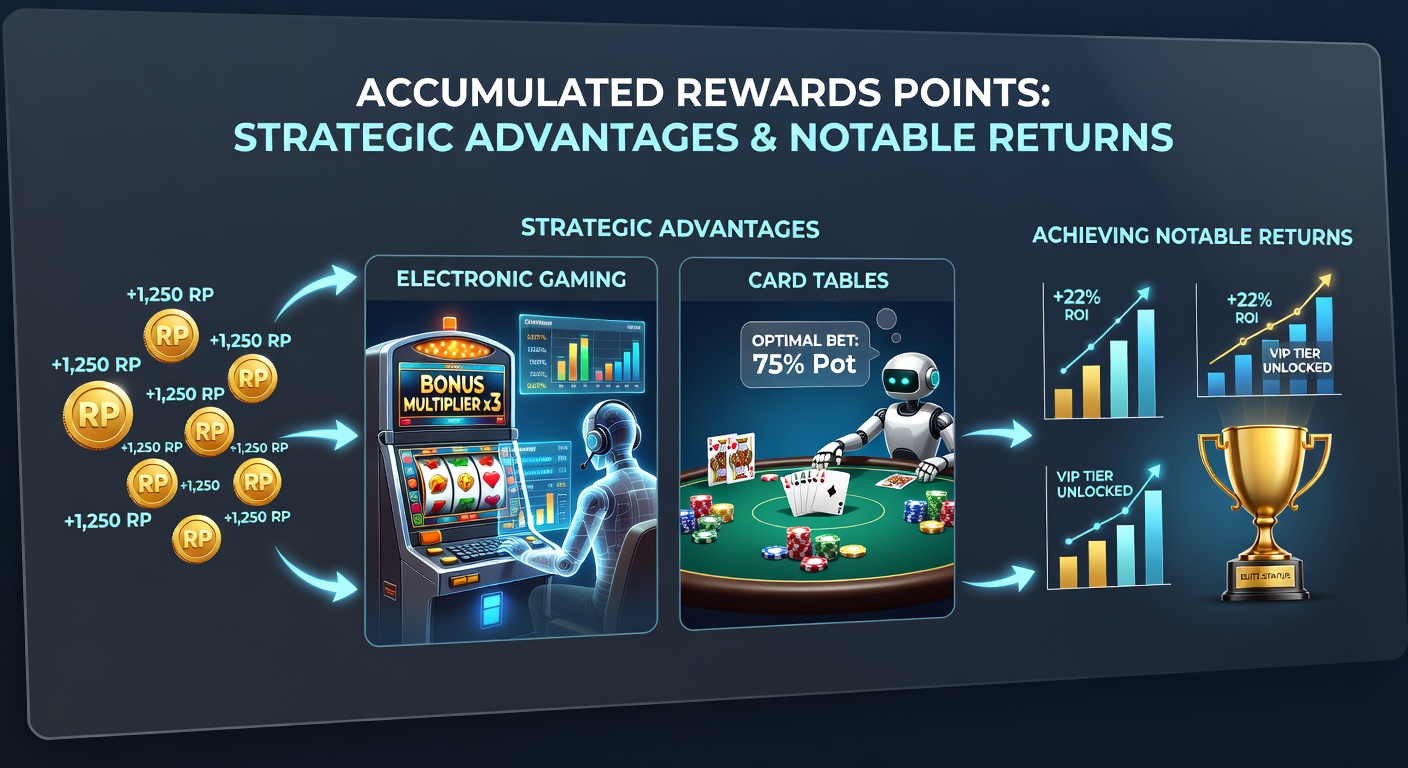
Players accumulate rewards points through consistent play at slot machines and card tables, and these points convert into tangible benefits that support longer sessions along with targeted returns, while industry data tracks how such systems operate across major venues.
Mechanics of Point Accumulation and Conversion
Electronic gaming devices award points based on coin-in totals, where one point often equals a set dollar amount wagered, and table games track points through average bet size multiplied by time played, which creates a steady flow of credits toward player accounts. These credits unlock free play credits, room discounts, dining vouchers, and cashback percentages that range from 0.1 percent to over 1 percent depending on tier status. Data from the American Gaming Association shows that loyalty programs processed billions in redemptions during recent fiscal years, and operators adjust earning rates seasonally to maintain engagement without altering base game mathematics.
Electronic Gaming Applications
Slot players direct accumulated points toward free spin bundles or bonus rounds that extend machine time, and this approach allows bankrolls to stretch further during high-volatility sessions where natural payouts occur less frequently. Observers note that mid-tier players often redeem points for targeted free play on progressive titles, which aligns with machine paytables and increases exposure to larger prize pools without additional cash outlay. Research from university gaming studies indicates that structured redemptions correlate with extended play durations, and players who monitor point balances adjust bet sizes to hit redemption thresholds faster.
Table Game Integration
Card table participants earn points through rated play tracked by pit personnel, and those points translate into comped meals or show tickets that reduce overall trip expenses, thereby preserving capital for core wagering. Blackjack and baccarat strategies benefit when players use cashback to offset short-term variance, since the return percentage effectively lowers the house edge over multiple visits. Figures from Nevada regulatory reports reveal steady growth in table game comps through 2025, and similar patterns appear in other jurisdictions where operators link point values directly to average bet metrics.
Strategic Timing and Tier Progression
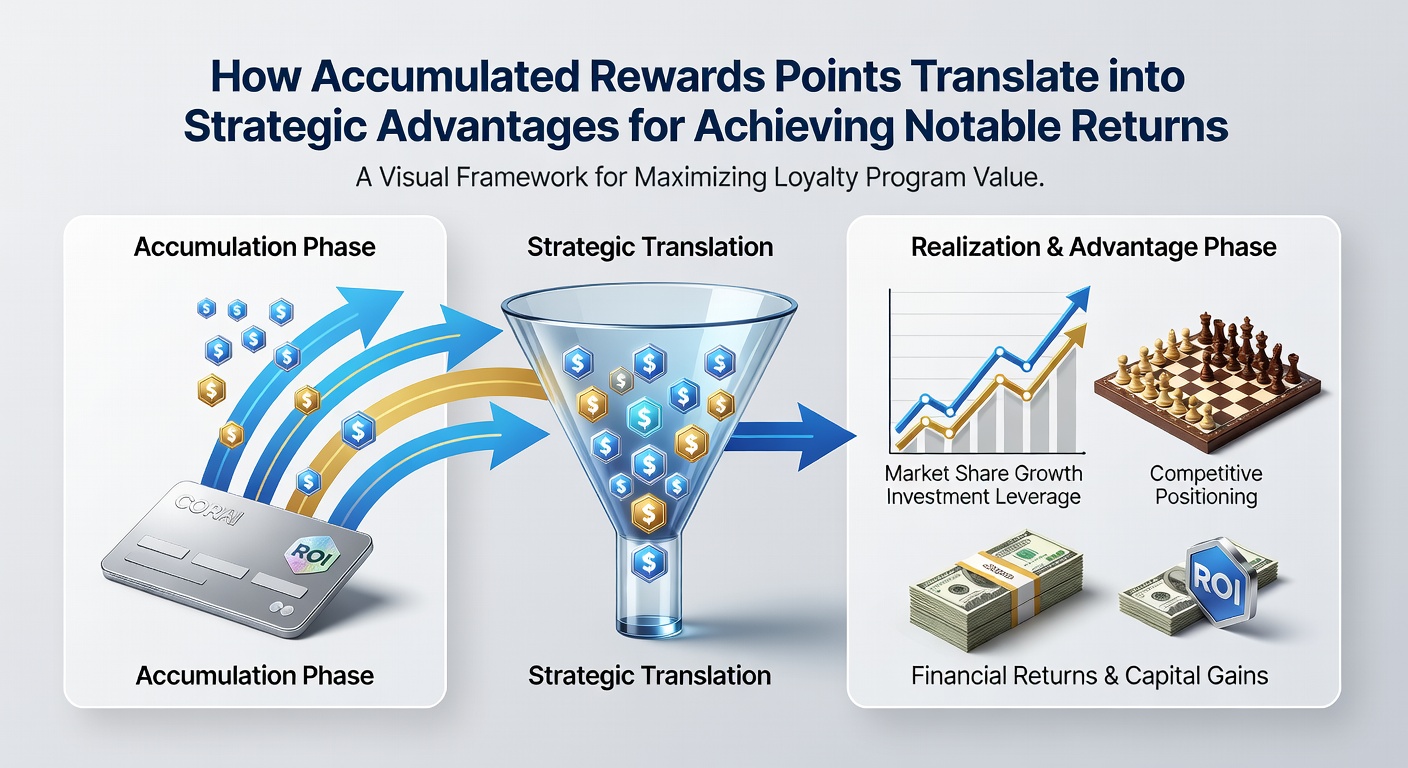
Advancement through loyalty tiers unlocks multiplier bonuses on point earnings, and this acceleration lets frequent participants reach higher cashback rates or exclusive event access that further supports return goals. Those who study program calendars often time visits around double-point promotions, which compound into larger free play allotments usable on either slots or tables. As of May 2026 several major operators introduced dynamic tier resets tied to rolling 12-month windows, and this change encourages consistent activity rather than one-time spikes in play volume.
External data from the Canadian Institute of Gaming Research highlights how tiered structures influence player retention across North American properties, while Australian state reports document parallel systems that tie point values to regulatory compliance metrics. Players integrate these elements by tracking personal point velocity against game volatility, which creates a feedback loop where redemptions fund additional strategic wagers without dipping into principal funds.
Regional Variations and Data Trends
European operators frequently link points to cashback deposited directly into player accounts, whereas North American venues emphasize experiential comps such as event tickets or travel packages that indirectly support gaming budgets. Both approaches yield measurable returns when participants align redemptions with individual risk profiles and session lengths. Industry reports indicate average redemption values climbed modestly through early 2026, driven by competitive pressures among integrated resort properties.
Conclusion
Accumulated rewards points function as a parallel economy within gaming environments, converting routine play into structured advantages that affect both electronic machines and card tables through free credits, expense offsets, and tier benefits. Operators publish earning rates and redemption schedules that remain consistent with regulatory oversight, and participants who monitor these details position themselves for measurable extensions of play capital over repeated visits.