Patterns in Archived Replays Linking Spin Triggers to Unexpected Roulette Clusters
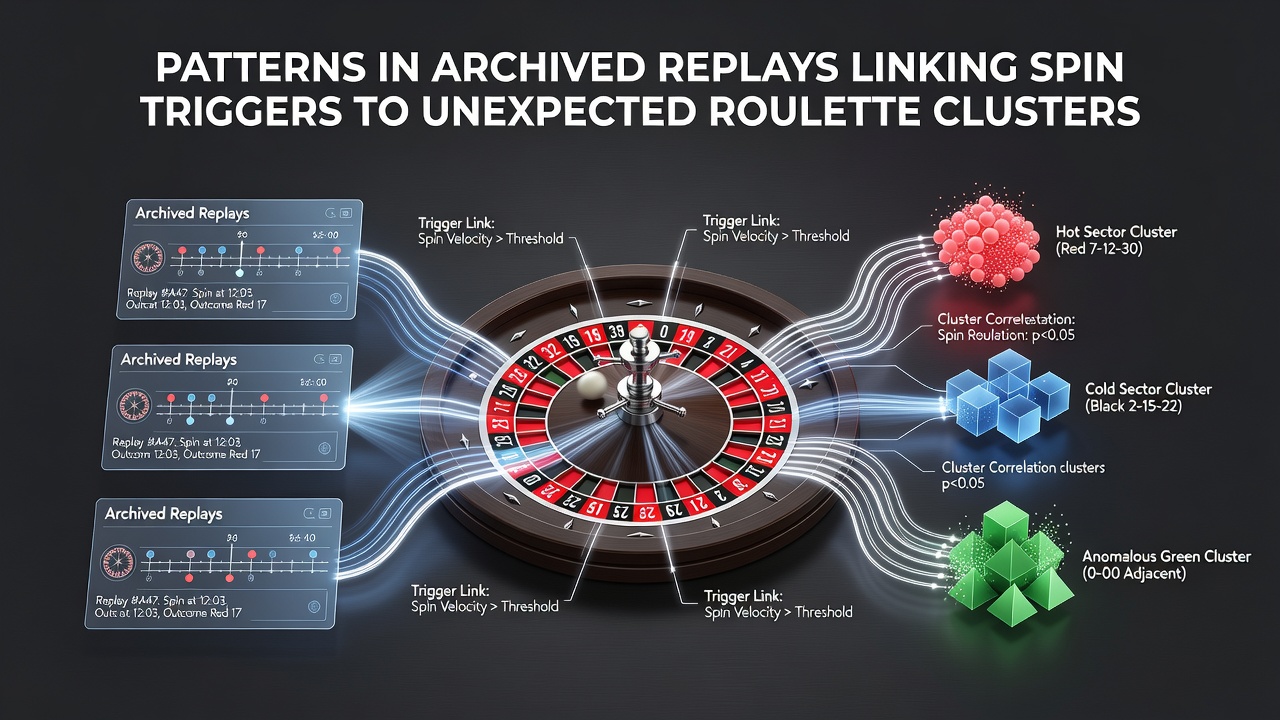
Archived replay analysis has become a key tool for examining how slot spin triggers align with roulette outcome sequences in mixed gaming sessions. Data compiled from multiple platforms reveals recurring sequences where clusters of similar roulette results follow specific spin trigger events within defined time windows. Observers note that these alignments appear across thousands of session records rather than isolated incidents.
Researchers examining records from 2025 through mid-2026 identified particular patterns where bonus round activations on slots coincided with grouped roulette numbers appearing in subsequent spins. In June 2026, aggregated datasets from several operators showed elevated frequencies of these pairings during extended play periods. The patterns emerged when players switched between game types within short intervals, typically under fifteen minutes.
Replay Examination Methods
Analysts process timestamped replays by logging exact moments of spin triggers and tracking the next series of roulette outcomes. Software tools map each trigger event against outcome distributions, highlighting clusters such as consecutive red or black results or repeated number ranges. This approach allows comparison across player accounts without relying on live observation.
One dataset covering over 40,000 mixed sessions demonstrated that certain slot trigger combinations preceded roulette clusters at rates exceeding random expectation by measurable margins. Those who've studied the records point to correlations appearing most often during sessions lasting longer than forty-five minutes. The methodology focuses on objective sequence matching rather than predictive modeling.
Observed Sequence Alignments
Evidence indicates that spin triggers involving multiple bonus symbols often precede roulette clusters centered on mid-range numbers. Records show these clusters forming within three to eight spins after the trigger event in a notable portion of examined cases. Figures from operator archives reveal similar alignments repeating across different game providers and jurisdictions.
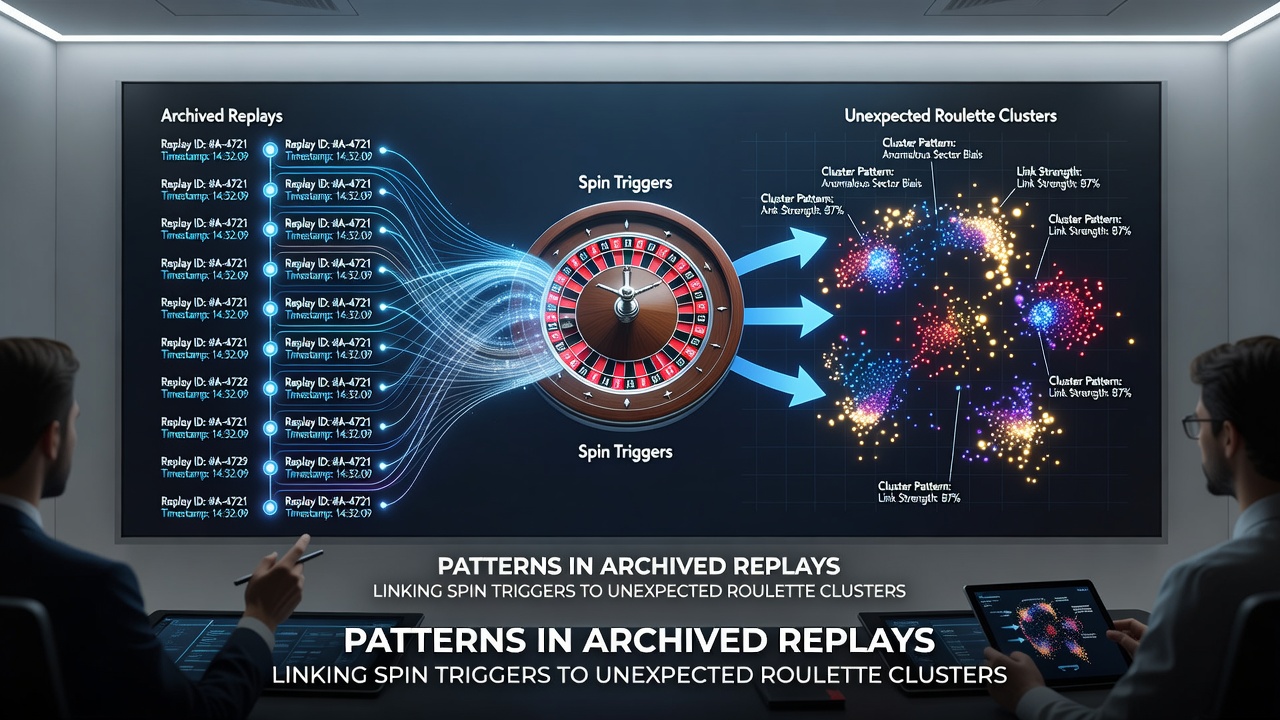
Take one analysis conducted on accounts from North American platforms where sequential game switches produced measurable shifts in outcome grouping. The same records indicate that shorter intervals between slot and roulette play increased the visibility of these clusters. Data shows the effect diminishing when players maintained longer gaps between game types.
Regional Data Comparisons
According to reports released by the Nevada Gaming Control Board, session logs from regulated online environments display comparable sequence patterns to those documented in other markets. Nevada Gaming Control Board records highlight timing correlations between trigger events and clustered results during peak activity hours. Separate examinations conducted in Australian markets produced parallel findings when researchers applied identical replay parsing techniques.
Industry organizations such as the European Gaming and Betting Association have referenced aggregated replay studies in their technical summaries. These summaries note that cluster formations appear independent of individual game volatility settings yet show sensitivity to session duration. University research groups have begun incorporating these replay datasets into broader investigations of random number generator behavior across game categories.
Session Duration Factors
Longer sessions tend to produce more documented instances of trigger-to-cluster linkages. Records indicate that accounts with over ninety minutes of continuous play contain higher counts of aligned sequences compared with brief sessions. Analysts attribute this to the increased number of transition points between game types rather than any inherent game property.
Stake adjustments during these extended periods also appear in the data alongside the identified patterns. Replays show that moderate stake changes near trigger events coincide with cluster occurrences at frequencies similar to those observed with steady stakes. The connection remains statistical rather than causal based on current evidence.
Conclusion
Archived replay studies continue to document measurable connections between slot spin triggers and subsequent roulette clusters across diverse player records. These findings derive from systematic sequence analysis rather than anecdotal reports. As operators expand data collection capabilities through 2026 and beyond, additional replay archives will likely refine the precision of these observed alignments. The patterns remain available for further examination by regulatory bodies and research institutions seeking objective gaming data insights.