Navigating Reward Ecosystems: Connecting Deposits to Redemptions in Integrated Slot and Table Casino Operations
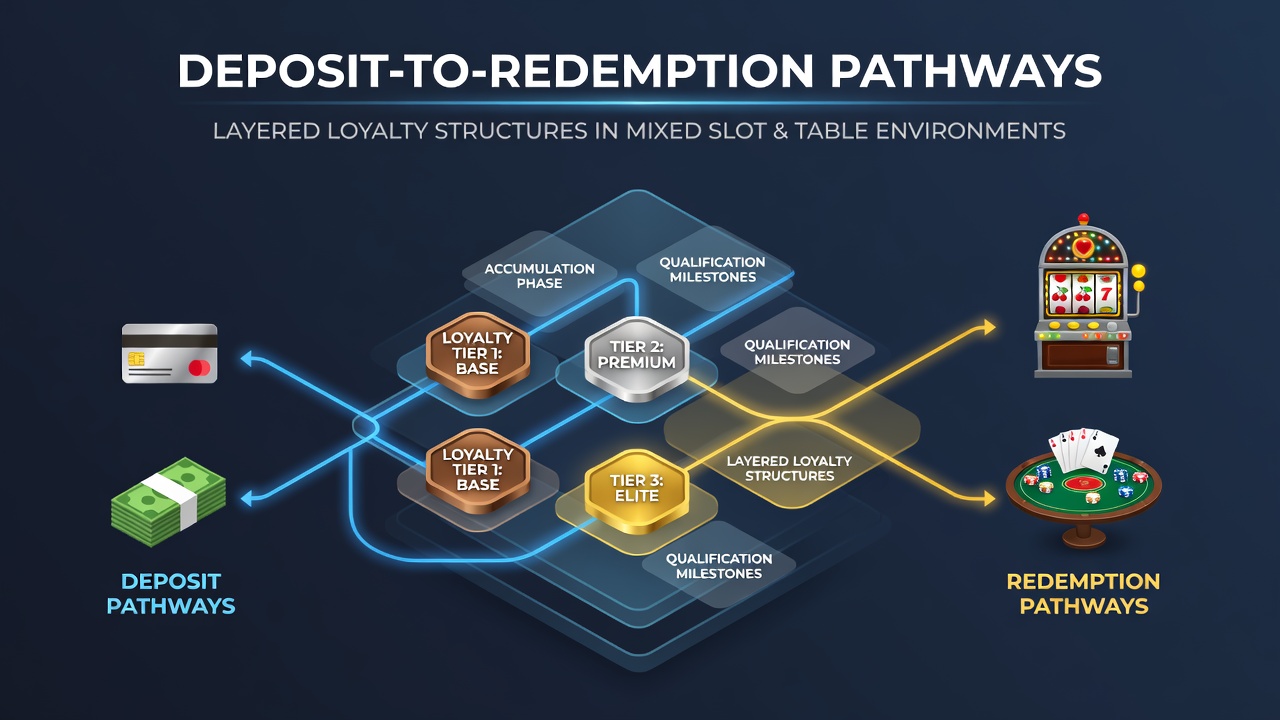
Players initiate their journeys through casino loyalty programs when they make initial deposits that fund both slot sessions and table game play, and these deposits feed directly into point-tracking systems designed to map activity across mixed gaming floors. Data from multiple U.S. state gaming reports indicate that operators record every wager in real time, converting slot spins and table decisions into tier credits that unlock successive reward levels.
Deposit Entry Points and Initial Tracking
Deposits enter player accounts through cash, cards, or digital wallets, after which the system assigns base points based on game type and wager volume. Observers note that slot machines typically award one point per dollar played while table games may award one point per two to five dollars depending on the specific property and game, creating different accumulation speeds within the same loyalty framework.
June 2026 figures released by the Nevada Gaming Control Board show that hybrid venues recorded an average of 18 percent higher point accrual rates when players alternated between slots and tables during single visits compared with single-game sessions. This pattern emerges because layered structures often apply multipliers to cross-game activity that keep players moving between machine banks and pit areas.
Tier Progression Mechanics
Loyalty structures divide into multiple tiers, each requiring cumulative points earned within a defined period. Entry-level tiers grant basic redemptions such as free play or dining credits, whereas mid and upper tiers unlock room comps, event access, and higher-value redemptions. Researchers at the University of Nevada, Las Vegas documented how players reach the second tier after approximately 5,000 points in many properties, with subsequent tiers requiring 15,000 and 50,000 points respectively.
Those who study player records find that mixed environments accelerate tier advancement when point-earning formulas credit both slot coin-in and table drop, although table minimums and slot denominations influence the speed of movement. Properties adjust these formulas periodically, and updates effective in early 2026 introduced new bonus multipliers for table-side slot play that bridge the two environments more tightly.
Redemption Pathways and Conversion Options
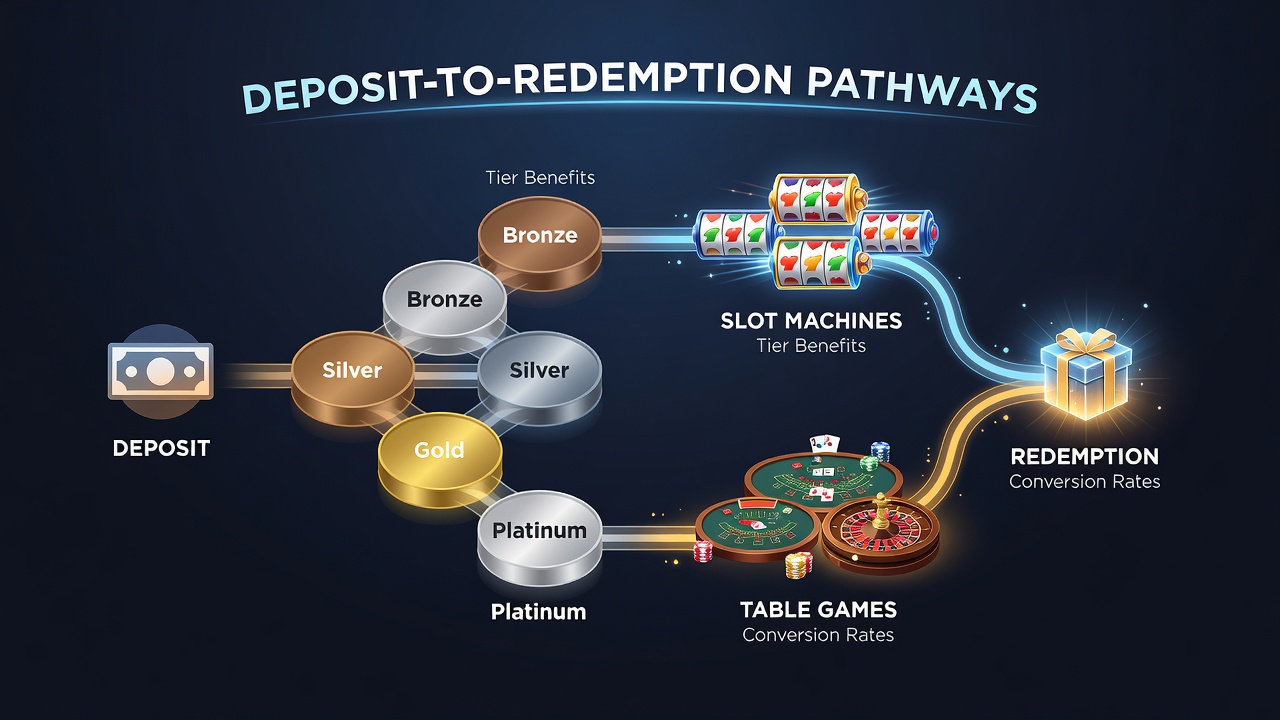
Redemption begins once points reach thresholds set by each tier, and players select from menus that include free slot credits, table match play, merchandise, or travel packages. Systems track redemption history alongside deposit and play data, allowing operators to adjust future offers based on observed patterns. According to statistics from the Canadian Gaming Association, redemption rates for slot credits exceed those for table match play by roughly 12 percent in mixed venues, largely because slot redemptions require fewer additional steps at the machine.
What's interesting is how sequential redemptions can reset or extend point-earning windows. Several major operators now link redemption of dining credits to bonus points on subsequent table sessions, creating closed loops that keep activity flowing from deposit through multiple redemptions within a single calendar quarter.
Cross-Game Effects on Point Values
Point values shift when players switch between slots and tables because some programs apply separate earning rates and bonus categories. Data drawn from archived player accounts reveal that a $100 deposit split evenly across slots and blackjack can generate between 75 and 110 points depending on the exact earning schedule in place at the property. Those who've examined these records note that table games sometimes contribute toward separate high-limit tier tracks that do not overlap with slot progressions, creating parallel pathways that players must manage simultaneously.
Operational Adjustments Observed in 2026
Properties have refined their systems to handle increased volume from players who maintain active balances across both environments. In June 2026 several regional operators introduced unified dashboards that display combined slot and table point totals in a single view, reducing confusion when players move between areas. These dashboards also display projected redemption values based on current tier status and remaining qualifying period, helping players visualize the deposit-to-redemption arc more clearly.
Conclusion
Layered loyalty structures translate deposits into measurable activity across slots and tables, then convert that activity into tier advancement and eventual redemptions through clearly defined pathways. Operators continue to adjust earning rates, multiplier triggers, and redemption menus to align with observed player movement between game types. The resulting frameworks provide a traceable route from initial funding through point accumulation to final reward selection in environments that combine both machine and table offerings.