Loyalty Program Tiers That Turn Steady Casino Visits Into Progressive Jackpot Milestones

Casino loyalty programs track player activity through structured tier systems that reward consistent participation with escalating benefits, and these mechanisms often channel routine gaming sessions toward opportunities for major progressive accumulations. Players earn points based on wager volume and game type, then advance through levels that unlock higher-value comps, bonus multipliers, and access to specialized progressive machines or tables. Data from the New Jersey Division of Gaming Enforcement shows tiered systems account for measurable increases in player retention and average session length across monitored properties.
Basic entry tiers require minimal activity yet already begin the accumulation process. A player who visits a slot floor regularly collects points at a standard rate, and once thresholds are met the account moves upward. Higher tiers apply point multipliers to the same play patterns, which accelerates qualification for free play credits or tournament entries that frequently tie into progressive prize pools. Researchers at the University of Nevada, Las Vegas documented how these multipliers correlate with extended machine time, creating additional chances to trigger progressive features during normal operations.
How Point Systems Drive Tier Advancement
Points accumulate from both slot and table game activity, though contribution rates differ by game category and property policy. Slot play typically generates points faster per dollar wagered, while table games require higher minimum bets to register equivalent progress. As accounts climb tiers, properties adjust the earning formulas and add tier-specific bonuses such as daily free spin allocations or cashback percentages that can be reinvested into progressive titles. Observers note that these adjustments create compounding effects, where the same weekly play schedule yields noticeably larger reward balances after each tier jump.
Properties update tier standings monthly or quarterly, and many now display real-time progress meters on mobile apps. This transparency helps players monitor distance to the next level and adjust betting patterns accordingly. In May 2026, several major operators introduced automated alerts that notify accounts when a single session could complete a tier climb, further linking everyday visits to the next set of progressive-eligible rewards.
Benefits That Connect Directly to Progressive Play
Once players reach mid-tier status, benefits expand to include priority access on progressive banks, reduced qualifying bets for jackpot entries, and exclusive promotional periods where progressive meters receive supplemental funding from the property. These features convert standard loyalty points into direct pathways toward larger accumulations because players receive more opportunities to engage with high-volatility titles without increasing their own risk exposure. Industry reports indicate that players at advanced tiers record higher hit frequencies on progressive triggers compared with base-level accounts, largely due to the increased play volume enabled by comped room stays and meal credits that keep sessions longer.
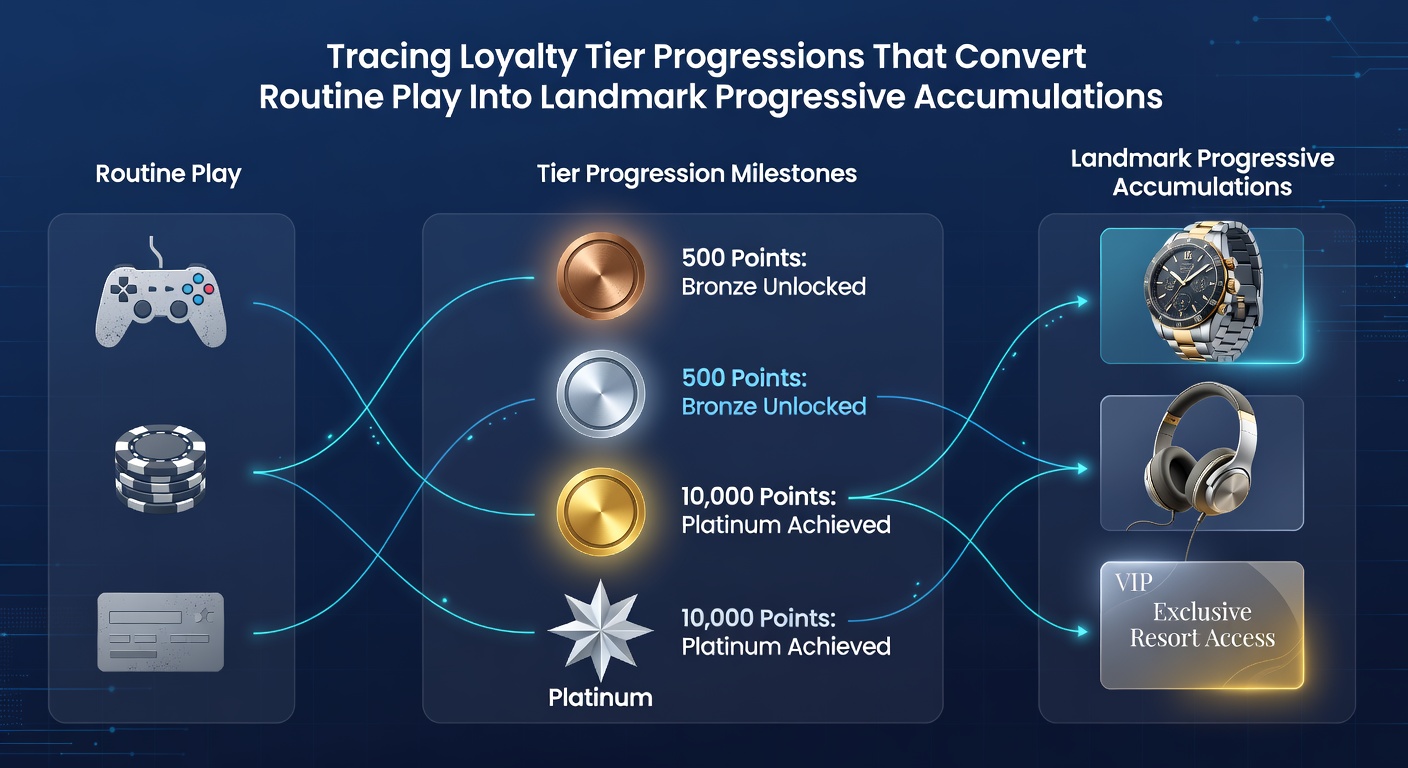
Elite tiers add still more layers. Top-level members often receive invitations to private progressive tournaments or receive additional entries into drawings funded by pooled contributions from lower-tier play. The structure creates a feedback loop where routine activity at every level contributes to the overall prize pools that elite players then target with optimized strategies. Gaming associations across multiple jurisdictions have tracked these patterns and found consistent correlations between tier status and progressive payout distributions.
Regional Variations in Tier Mechanics
Different jurisdictions apply distinct rules to loyalty structures. Canadian operators frequently tie tier progress to combined land-based and online activity, allowing points earned on one platform to accelerate advancement on the other. Australian properties emphasize time-on-device metrics alongside wager totals, which influences how quickly players reach levels that grant progressive access. European programs sometimes incorporate skill-based side games that award bonus points usable exclusively on linked progressive networks. These regional differences produce varied progression speeds, yet all share the core design of converting consistent, moderate play into measurable advantages for larger jackpot pursuits.
Regulatory filings from the Ontario Lottery and Gaming Corporation reveal that tiered reward programs now represent a significant portion of marketing spend, with measurable returns in player engagement metrics. Similar patterns appear in reports issued by state gaming boards in the western United States, confirming teh widespread adoption of these systems.
Conclusion
Loyalty tier progressions operate as structured tracking systems that reward volume and consistency with benefits that expand access to progressive opportunities. Routine play generates the points necessary for advancement, and each new tier introduces multipliers, comps, and exclusive features that increase both session duration and jackpot eligibility. Data collected by regulatory bodies and academic researchers continues to document how these mechanisms link everyday gaming patterns to landmark accumulations across diverse markets and property types.