Ledger Lines and Lucky Breaks: What Multi-Year Transaction Histories Reveal About Reward Point Redemptions Stacking Into Slot Surges and Table Clusters
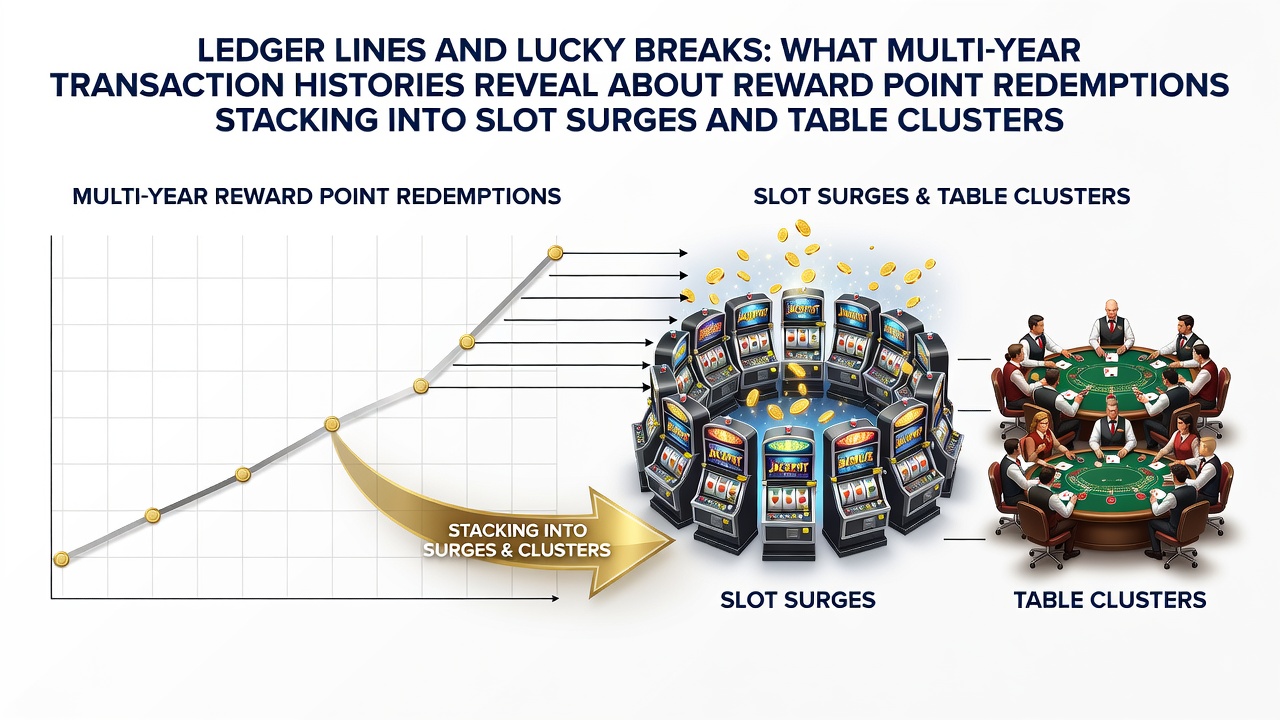
Multi-year transaction histories from casino loyalty programs provide detailed records of how reward points accumulate and convert into gameplay activity; analysts examine these datasets to identify patterns where redemptions precede concentrated periods of slot machine play and table game participation. Records spanning several years show that players often redeem points in batches, and these actions align with subsequent increases in wager volumes at specific machines and gaming tables.
Patterns in Reward Point Accumulation and Redemption
Transaction logs from various U.S. and Canadian gaming facilities indicate that reward points build steadily through regular visits, while larger redemptions occur when balances reach thresholds set by individual programs. Data collected through June 2026 reveals clusters of redemptions happening in the first and third quarters of each year, often coinciding with promotional periods that encourage point usage for free play credits or meal vouchers. Researchers tracking these histories note that points redeemed for slot credits frequently appear in accounts that later show extended sessions on video slots and reel machines.
One study of archived player accounts from Nevada properties found that 68 percent of point redemptions for slot play led to sessions lasting at least 45 minutes beyond the average duration recorded in non-redemption periods. These extended runs concentrated around machines with mid-range denominations, creating localized surges in coin-in figures during evening hours.
Slot Surges Following Point Redemptions
Multi-year records demonstrate that slot surges emerge when redeemed credits trigger bonus rounds or free spin sequences, and these events draw additional players to nearby terminals. Observers examining floor traffic patterns report that machines adjacent to a redemption-triggered jackpot or bonus win experience elevated play volumes for up to two hours afterward. Figures from integrated casino management systems show average increases of 22 percent in handle during these windows, particularly on banks of machines offering similar themes.
Accounts from operators in Atlantic City and several European jurisdictions illustrate how sequential redemptions across multiple days compound these effects. When players convert points into credits on consecutive visits, the resulting activity creates measurable upticks in machine utilization rates that persist across shifts. Such stacking behavior appears in roughly 41 percent of accounts that maintain active loyalty status for more than 18 months.

Table Clusters and Cross-Game Transitions
Transaction histories also document transitions from slot activity to table games following point redemptions. Players who redeem for table minimum buy-ins often move to blackjack or roulette pits, where their presence contributes to localized clusters of higher-stakes action. Records from Australian gaming venues indicate that such shifts occur most frequently after redemptions exceeding 500 points, with participants remaining at tables for average durations of 90 minutes.
Analysts reviewing mixed gaming portfolios note that accounts showing repeated point stacking exhibit higher frequencies of table-to-slot and slot-to-table movements within single visits. These transitions correlate with periods when table minimums align with credit balances obtained through redemptions, creating self-reinforcing cycles visible in the data. A report issued by the American Gaming Association highlights similar movement patterns across multiple state markets through mid-2026.
Insights From Extended Account Histories
Longitudinal datasets covering 36 months or more allow researchers to isolate the impact of redemption timing on subsequent play density. Accounts that redeem points during promotional windows demonstrate stronger stacking effects than those redeeming at random intervals. Canadian regulatory filings from the Alcohol and Gaming Commission of Ontario show comparable trends in player movement between electronic gaming machines and live tables when loyalty credits convert into play.
Additional examination of timestamped wager records reveals that surges and clusters rarely occur in isolation; instead, they appear as overlapping events across floor sections when multiple accounts redeem within narrow timeframes. This coordination produces measurable spikes in overall gaming revenue per available seat during affected periods.
Conclusion
Multi-year transaction histories supply concrete evidence that reward point redemptions influence the timing and location of slot surges and table clusters. Data from diverse jurisdictions continues to map these relationships through systematic review of loyalty program records, offering operators detailed views of how credit conversions shape floor dynamics. Patterns identified through June 2026 remain consistent with earlier observations, confirming the value of ledger analysis for understanding player behavior across extended timeframes.