Kewadin Casinos Unveils Multi-Year Renovation Initiative for All Five Michigan Properties

Kewadin Casinos, which operates five locations throughout Michigan's Upper Peninsula, has announced a sweeping multi-year renovation initiative designed to modernize facilities across its entire portfolio, and this development aligns with other U.S. casino upgrade announcements that emerged in early June 2026. The project targets updates to gaming areas, hospitality amenities, and infrastructure at each site while maintaining operational continuity during phased construction schedules.
Scope of the Renovation Project
The initiative encompasses all five Kewadin properties including locations in Sault Ste. Marie, St. Ignace, Christmas, Hessel, and Manistique, where planned improvements focus on updating slot machine floors, table game areas, hotel accommodations, dining venues, and entertainment spaces. Company statements indicate that the renovations will incorporate contemporary design elements, enhanced lighting systems, improved accessibility features, and energy-efficient technologies throughout the properties. Construction timelines will vary by location yet observers note that work is expected to proceed in stages to minimize disruption for guests and employees.
According to reports from industry monitoring sources, these upgrades represent a significant capital investment aimed at refreshing the brand identity of Kewadin Casinos while addressing evolving guest expectations in the regional gaming market. The multi-year approach allows for sequential completion of projects at individual sites, which enables the operator to assess progress and adjust subsequent phases based on interim results and feedback.
Background on Kewadin Operations
Kewadin Casinos function under the management of the Sault Ste. Marie Tribe of Chippewa Indians, which has maintained gaming facilities in the region for decades and currently offers a combined inventory of thousands of slot machines alongside various table games across its venues. The properties serve both local residents and tourists drawn to Michigan's northern recreational areas, where gaming revenue supports tribal programs including health services, education, and community development initiatives. Data from state regulatory filings shows consistent visitor traffic at these locations, which has prompted the need for facility updates to sustain competitive positioning.
Those familiar with the operator's history point out that previous improvements at individual Kewadin sites have typically included incremental additions such as new gaming technology and expanded food and beverage offerings, yet the current announcement marks the first coordinated effort to refresh all five properties simultaneously. This coordinated strategy reflects broader patterns observed in tribal gaming operations seeking to optimize assets across multiple venues rather than pursuing isolated upgrades.
Context Within Industry Developments
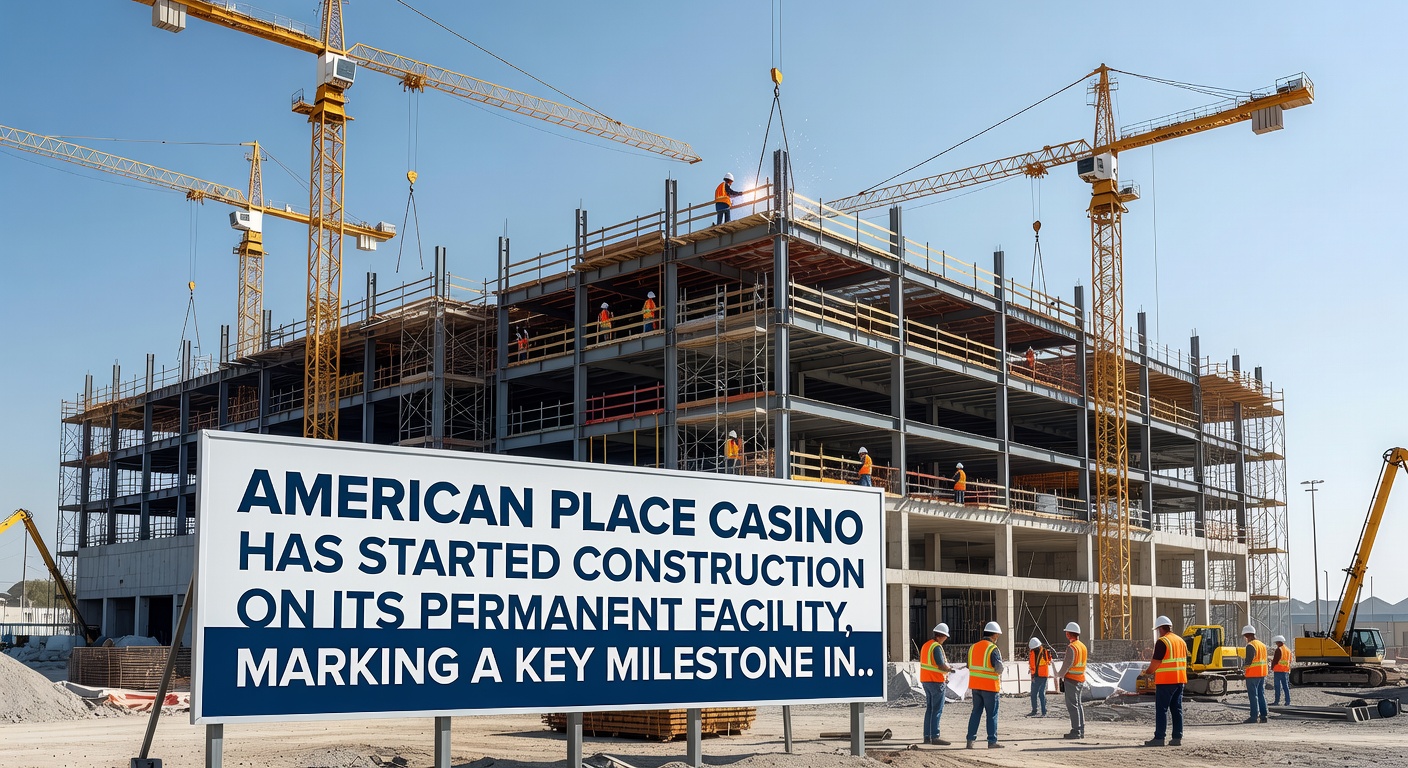
The Kewadin announcement follows other recent U.S. casino expansion and upgrade news reported in early June 2026, when several operators across different states disclosed plans for property enhancements ranging from floor expansions to amenity refreshes. Industry analysts tracking these parallel developments note that such initiatives often coincide with post-pandemic recovery cycles and shifting consumer preferences toward modernized environments. Michigan gaming regulators, including the Michigan Gaming Control Board, maintain oversight of licensing and compliance aspects tied to these projects, ensuring that renovation work adheres to established standards for security, fairness, and operational integrity.
Research from organizations such as the National Indian Gaming Commission indicates that tribal gaming facilities nationwide have increasingly allocated resources toward capital improvements in recent years, with modernization efforts frequently cited as key drivers of sustained revenue growth. The Kewadin project fits within this pattern, where operators balance the demands of aging infrastructure against opportunities to introduce new attractions that appeal to both existing patrons and emerging demographics.
Expected Implementation Timeline
Details released so far suggest that initial phases of the renovation will begin at select locations before expanding to the remaining properties, with full completion anticipated over several years depending on supply chain factors and labor availability in the region. Project managers will coordinate with local contractors and vendors to source materials and equipment, which supports economic activity in surrounding communities. Updates on progress are expected to be shared through official channels as milestones are reached, allowing stakeholders to track advancements across the portfolio.
Those monitoring tribal gaming trends emphasize that phased renovations help operators maintain revenue streams during construction periods, since closures can be limited to specific sections rather than entire facilities. This measured approach has proven effective in comparable projects at other regional casinos, where incremental changes preserved guest loyalty while delivering noticeable improvements upon completion.
Conclusion
The multi-year renovation initiative at Kewadin Casinos represents a substantial commitment to facility modernization across its five Michigan locations, building on the operator's established presence in the Upper Peninsula gaming sector. As work progresses in alignment with the early June 2026 wave of U.S. casino upgrade announcements, the project will provide updated environments for gaming, hospitality, and entertainment while adhering to regulatory requirements and supporting local economies through construction activity. Continued reporting from industry sources will document the evolution of these efforts as they unfold over the coming years.