Daily Habit Signals Connecting to Progressive Activation Trends in Blended Digital Asset Collections
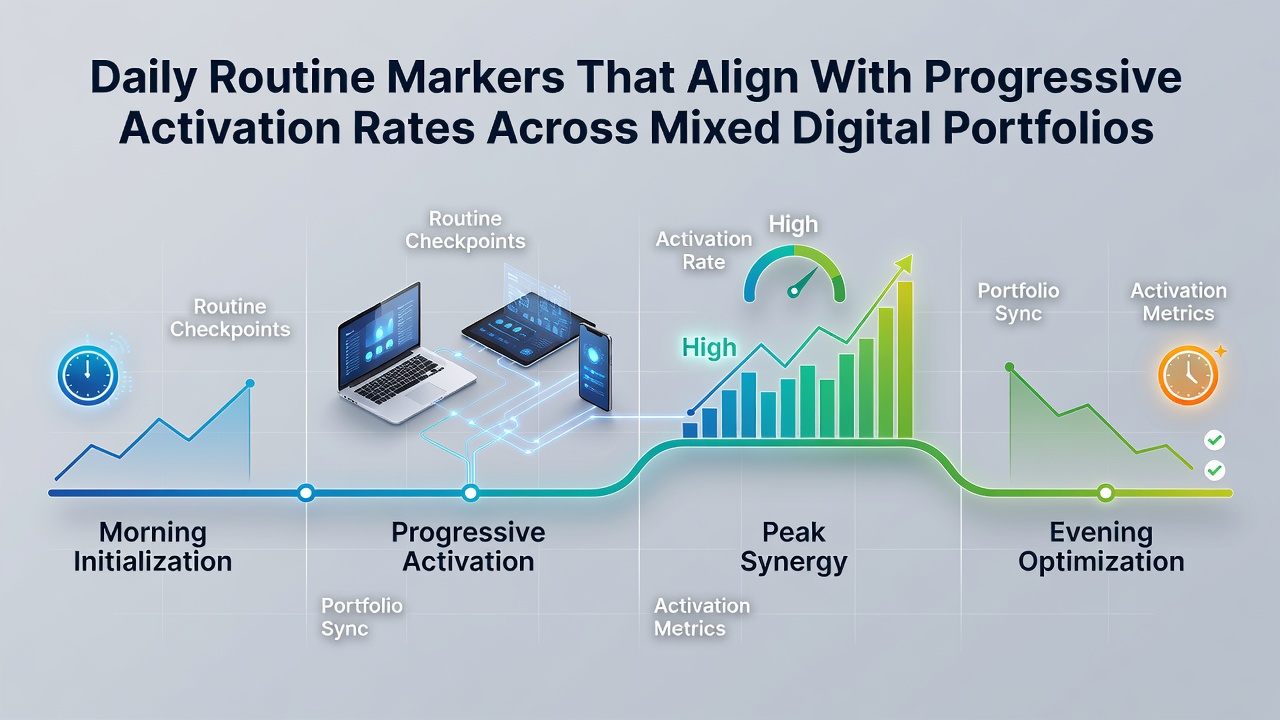
Observers note that daily routine markers often line up with progressive activation rates when individuals manage mixed digital portfolios containing stocks, cryptocurrencies, exchange-traded funds and other online assets; researchers track these patterns through account activity logs and behavioral data collected across multiple platforms. Studies from financial institutions show consistent links between structured morning reviews of market feeds and higher activation thresholds reached later in the trading day while evening wind-down periods correlate with steadier rebalancing decisions that avoid sudden spikes or drops.
Data from portfolio management platforms indicates users who incorporate brief physical activity into their schedules experience activation rates that climb more gradually yet sustain longer periods of positive performance; this pattern holds across regions where retail investors participate in digital markets. Government agencies in Canada and Australia have published reports on retail trading behaviors that highlight how consistent sleep schedules align with reduced error rates in order placement and improved alignment between planned allocations and actual execution outcomes.
Morning Markers and Their Measurable Effects
People who begin the day with a review of overnight price movements and news feeds tend to register earlier activation points in their portfolio systems according to aggregated analytics from brokerage firms; these early checks often precede incremental position adjustments that accumulate throughout the session. Evidence from academic papers on investor psychology demonstrates that incorporating hydration and light nutrition before engaging with trading interfaces supports steadier decision sequences rather than reactive trades that disrupt progressive growth curves.
Yet not every routine produces identical results across different asset mixes; observers tracking European and Asian market participants find that those who separate news consumption from actual order execution by at least thirty minutes achieve activation metrics that rise more predictably over weekly intervals. Regulatory summaries released by bodies such as the U.S. Securities and Exchange Commission outline how timestamped activity records reveal these timing differences in retail accounts holding diversified digital holdings.
Afternoon and Evening Patterns Across Regions
Portfolio records show that midday breaks involving movement away from screens frequently precede stronger afternoon activation phases where reallocation signals fire at optimal intervals; this holds true in data sets covering both North American and Asia-Pacific investors. Researchers examining account histories note that users maintaining fixed cutoff times for new positions in the late afternoon experience fewer overrides of automated triggers compared with those who extend sessions without structure.
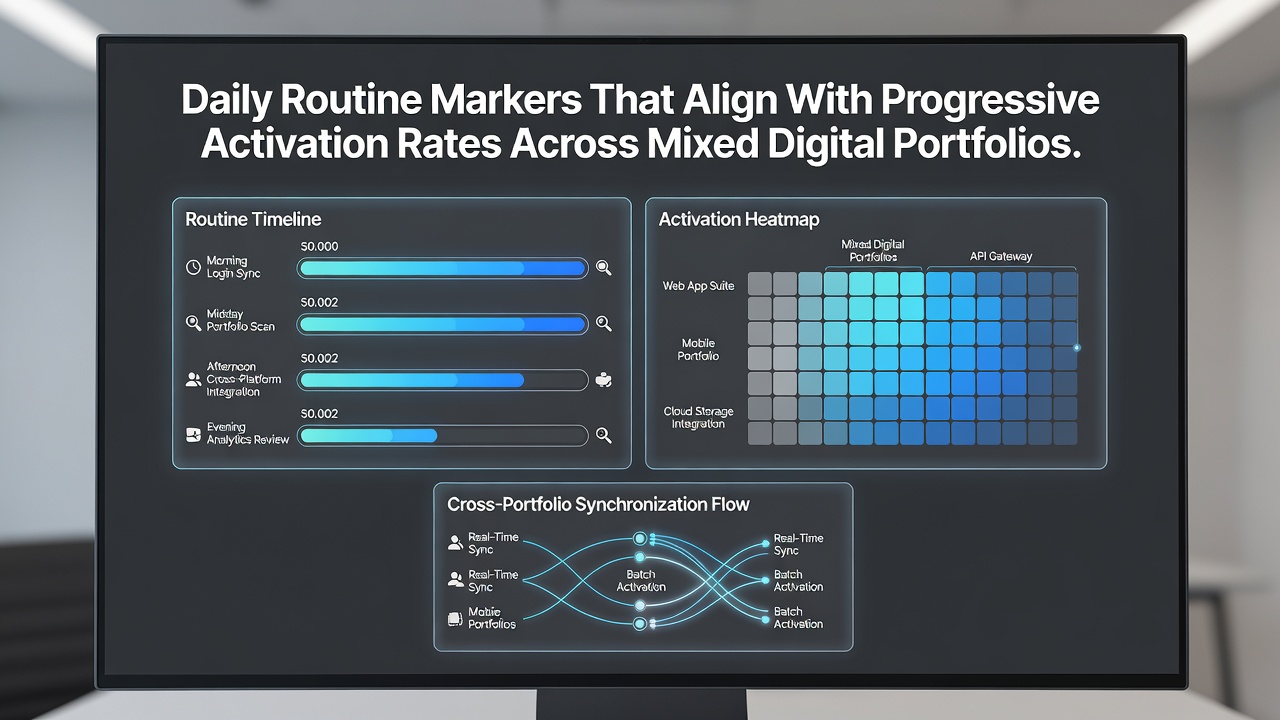
Evening reviews focused on performance summaries rather than immediate adjustments often support overnight stability in mixed portfolios; figures released by the Australian Securities and Investments Commission illustrate how such practices correspond with smoother transitions into the following session's opening activation windows. Those who log key metrics before disconnecting also demonstrate lower instances of overnight order revisions once markets reopen.
Integration With Broader Market Data Through Mid-2026
Industry reports project continuation of these routine-to-activation alignments into June 2026 as digital portfolio tools incorporate more granular behavioral analytics; platform operators in multiple jurisdictions have begun surfacing daily habit prompts that mirror observed correlations from historical records. University-led examinations of trading logs confirm that participants combining physical routines with scheduled portfolio touchpoints maintain activation progressions that track broader index movements more closely than unstructured approaches.
Cross-border comparisons between Canadian and Singaporean investor cohorts reveal similar patterns despite differing regulatory environments and asset preferences; both groups register elevated activation consistency when routines include dedicated review blocks separated from other daily tasks. Analysts monitoring these trends emphasize the value of timestamp precision in account data for identifying which markers produce the strongest statistical relationships.
Conclusion
Records from diverse digital portfolio platforms continue to map connections between routine elements and activation rate progressions; these linkages appear across varied investor demographics and geographic markets. Continued collection of activity timestamps and behavioral indicators will likely refine understanding of which daily markers deliver the most reliable alignment with sustained portfolio dynamics through the coming periods.