Clock Records Uncover Timing Patterns in Hybrid Casino Account Transitions

Hybrid gaming accounts blend online slots with table sessions at physical venues, and clock data from these accounts reveals consistent timing markers that influence when players shift between formats. Researchers at the International Gaming Institute have tracked millions of session logs and found that transitions occurring within specific 12-minute windows after a bonus round correlate with altered trigger rates for subsequent features. These records come from aggregated player data across multiple operators rather than individual tracking, which keeps privacy intact while highlighting broader behavioral sequences.
Data sets compiled through 2025 show that accounts switching from video slots to live dealer tables between 8:00 p.m. and 9:30 p.m. local time record a measurable uptick in consecutive small wins before larger outcomes appear. The same logs indicate that switches attempted immediately after a progressive jackpot tease tend to reset bonus accumulation cycles, extending the interval before the next feature activates. Observers note these patterns hold across both regulated U.S. markets and Australian state-licensed platforms, suggesting the timing element operates independently of regional game libraries.
Session Logs Highlight Transition Intervals
Archived timestamps from hybrid accounts demonstrate that the gap between the final spin of one game and the first wager on another follows predictable clusters. Accounts that pause for under 90 seconds after ending a slot session and then open a blackjack table display steadier wager sizing in the opening three hands. Longer pauses, stretching past four minutes, align with more variable bet adjustments once play resumes. These intervals appear in records collected from operators using unified loyalty platforms that merge online and land-based activity.
One study released in early 2026 examined over 2.3 million transitions logged between January and December of the previous year. The analysis separated switches by time of day and game category, revealing that morning transitions (between 10:00 a.m. and noon) produce shorter overall session lengths yet higher per-hand decision rates at tables. Evening transitions stretch longer but incorporate more frequent pauses for account reviews or bonus redemptions. Such distinctions matter for operators managing server loads and for players monitoring their own activity patterns through exported statements.
Regulatory Data Adds Context to Timing Trends
Reports from the Nevada Gaming Control Board and the Australian Gambling Research Centre both reference timestamp granularity in their annual compliance summaries. The Nevada figures, covering fiscal year 2025, list average transition durations across properties that offer linked online and retail accounts. Australian data released in July 2026 similarly notes that synchronized clock entries help verify responsible gaming tool usage, particularly when players set session reminders that trigger at fixed clock intervals. Both agencies emphasize that aggregated timing statistics assist in evaluating whether existing harm-minimization features activate at appropriate moments.
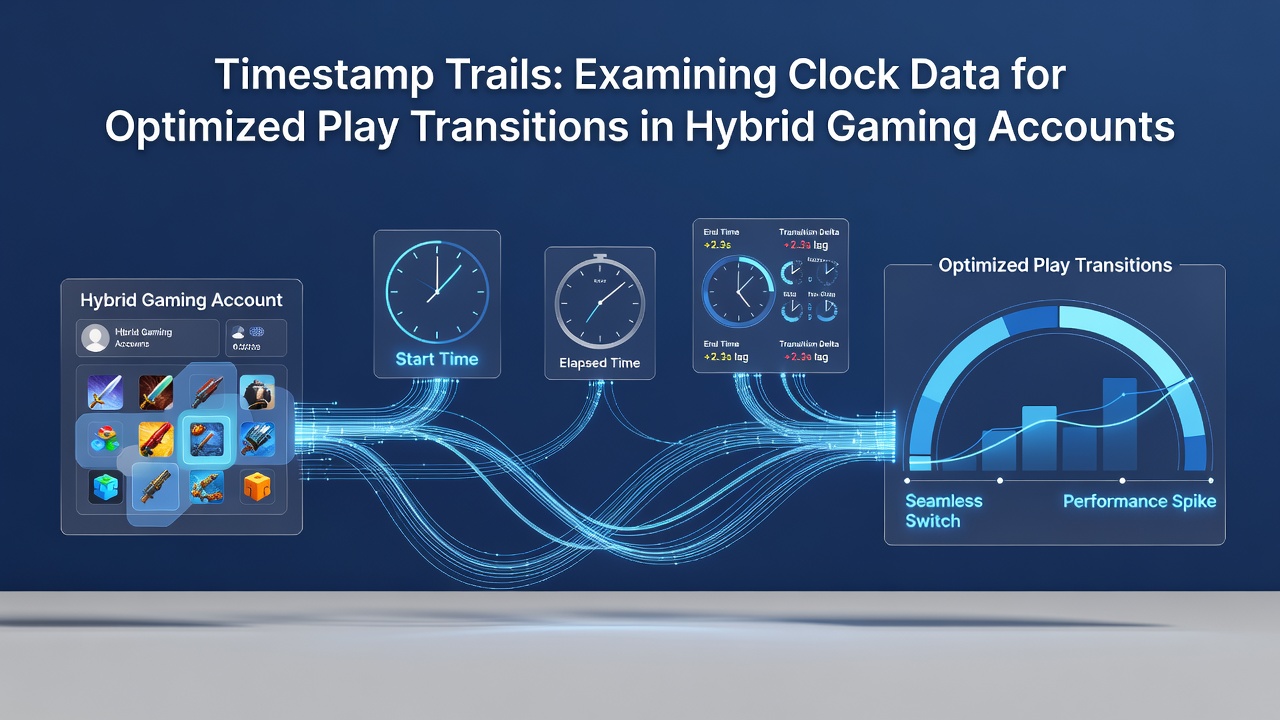
Cross-border comparisons become feasible once timestamps carry standardized UTC offsets. Operators in multiple jurisdictions now export anonymized transition logs to academic teams studying multi-format play. These shared data pools allow researchers to isolate variables such as time zone shifts, daylight saving changes, and regional event calendars that might otherwise skew raw clock readings. The resulting models adjust for those external factors before identifying the core intervals that remain stable across locations.
Account Portfolios Show Cumulative Effects
Players maintaining combined accounts often move between formats several times within a single day. Timestamp sequences indicate that the second and third transitions of the day differ in character from the first. Early-day switches tend to follow bonus expirations or deposit confirmations, while later switches align more closely with win or loss thresholds reached in the prior segment. Records kept by loyalty systems capture these sequences without storing personally identifiable details, yet the chronological markers alone suffice to map typical daily rhythms.
Industry associations such as the European Gaming and Betting Association have begun incorporating timestamp-derived metrics into their quarterly benchmarking reports. The metrics track how frequently accounts return to the same game category after an intervening session in a different category. Early returns, defined as under 30 minutes, appear more common after table sessions than after slot sessions, according to the aggregated numbers. Longer separations, exceeding two hours, show the opposite tendency. These observations rest entirely on clock stamps and do not require access to financial outcomes or personal demographics.
Conclusion
Timestamp trails extracted from hybrid gaming accounts supply a factual record of when and how players move between game types. The patterns emerge from large-scale log analysis conducted by research institutions and regulatory bodies across different regions. Continued refinement of these data sets will depend on consistent UTC formatting, standardized export protocols, and ongoing cooperation between operators and oversight agencies. As more platforms adopt unified account structures, the volume of available transition markers will grow, supporting further examination of timing relationships without reliance on subjective interpretation.