Bet Evolution Patterns in Prolonged Virtual Sessions: Analysis of Anonymized Mixed-Game Player Data
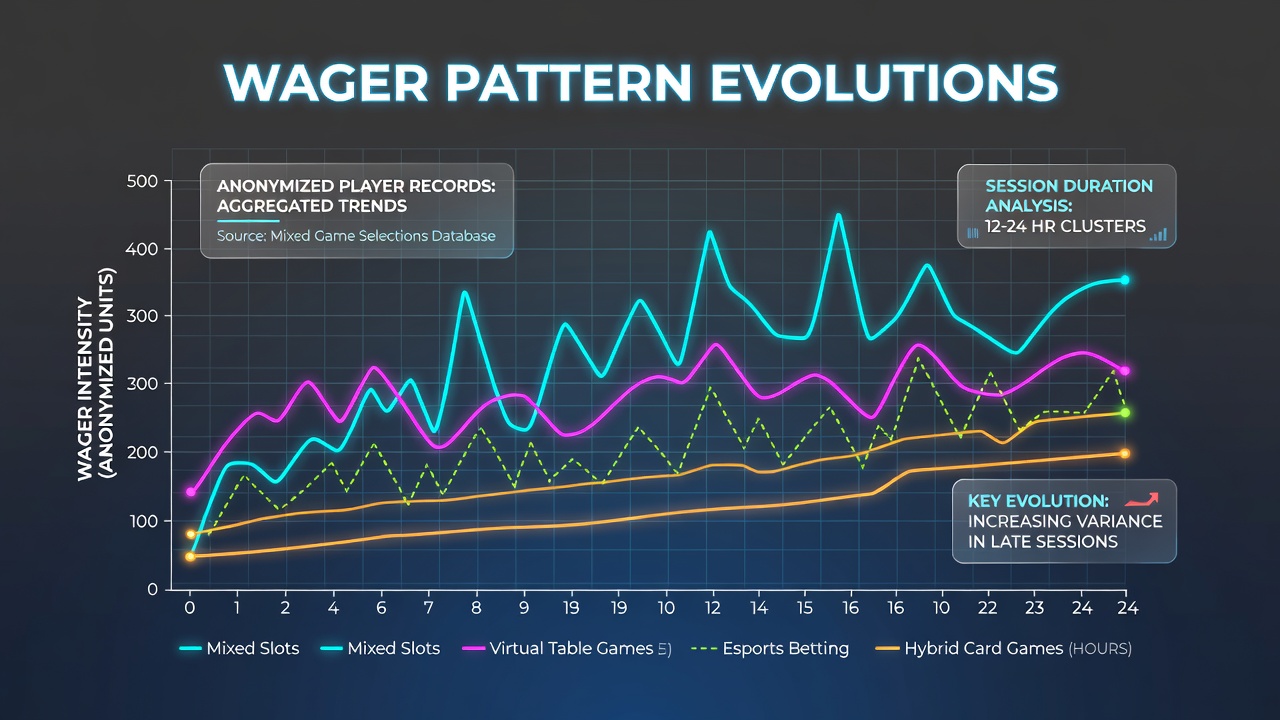
Researchers have compiled extensive datasets from anonymized player records that span multiple game categories including slots, blackjack, roulette, and video poker to track how wager amounts and frequencies shift during sessions lasting two hours or more; these records cover activity through July 2026 and reveal consistent adjustments in betting behavior as play extends.
Data from mixed portfolios shows that initial bet sizes often stabilize within the first thirty minutes before undergoing gradual increases or decreases depending on game type and prior outcomes, while sessions that incorporate frequent switches between slots and table games display more pronounced fluctuations in average wager amounts compared to single-game marathons.
Session Length and Stake Adjustments
Records indicate that players maintain relatively consistent stake levels during the opening phase of extended play, yet after the ninety-minute mark many accounts exhibit incremental raises in bet size following sequences of small wins, whereas prolonged losing streaks correlate with smaller incremental bets or occasional larger recovery attempts across both slot and table selections.
Analyses of these patterns highlight that mixed-game participants tend to reduce wager variance when moving from high-volatility slots to lower-volatility table options, creating a smoothing effect on overall session expenditure that single-category players do not demonstrate to the same degree.
Game Switching Effects on Betting Behavior
Player records drawn from portfolios that include sequential switches demonstrate measurable changes in bonus trigger rates and subsequent bet sizing; for instance, movement from slots into blackjack often precedes a temporary reduction in average bet amounts as participants recalibrate to table minimums and decision pacing, while returns to slots frequently coincide with elevated stakes once momentum from table wins carries over.
Studies compiled by the Ontario Lottery and Gaming Corporation show that these transitions appear most frequently in sessions exceeding three hours, where data logs register an average of four to six game-type changes per account, each accompanied by distinct wager recalibrations that researchers track through timestamped transaction sequences.
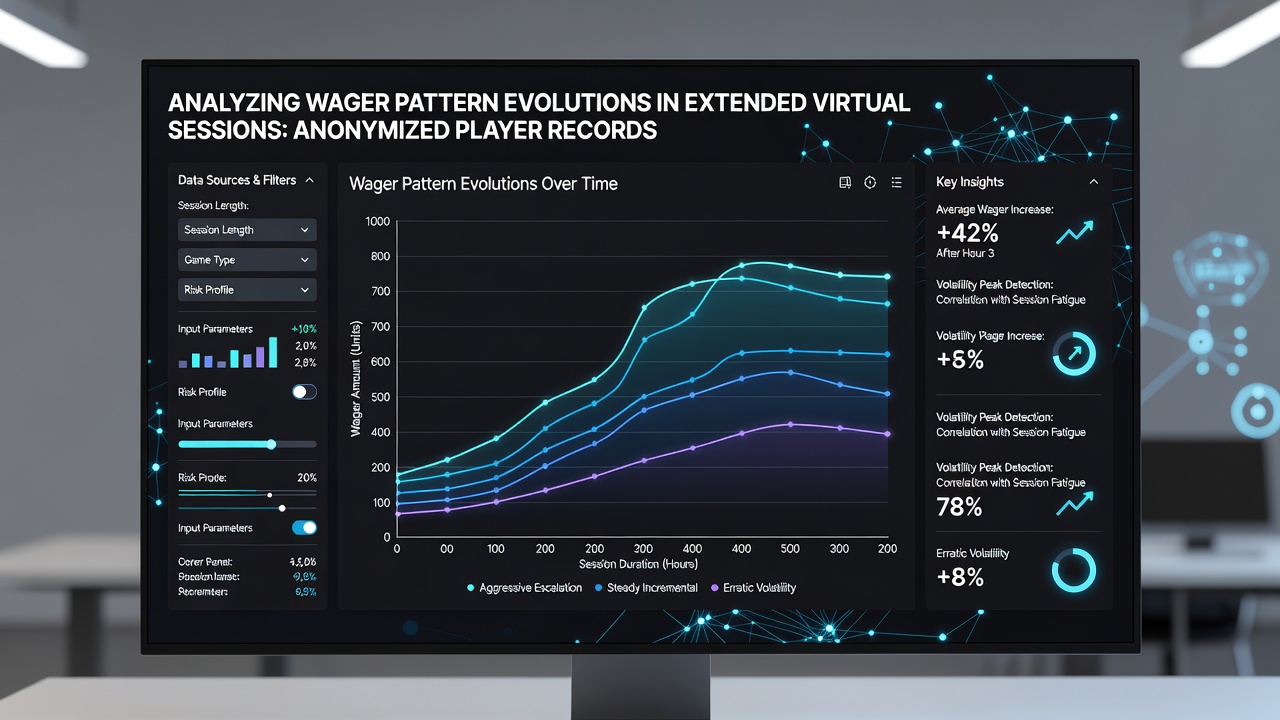
Comparative Data Across Game Categories
Figures from anonymized datasets reveal that slot-focused sessions produce steadier bet progressions with smaller step increases, while table game inclusions introduce sharper spikes tied to hand outcomes or dealer interactions; when both categories appear in the same extended session, overall wager patterns display hybrid characteristics that blend the incremental growth typical of slots with the outcome-responsive adjustments common at tables.
Reports from the Australian Gambling Research Centre document similar hybrid patterns in cross-platform records, noting that players who alternate between categories sustain longer average session durations before reaching predefined loss limits, suggesting that game variety influences both stake evolution and session endurance metrics tracked through blinded account histories.
Regional Regulatory Context Through Mid-2026
Regulatory filings submitted to bodies such as the Nevada Gaming Control Board through July 2026 include aggregated summaries of session-level transaction data that align with the anonymized trends observed in private-sector analyses, providing external validation that wager adjustments in mixed selections follow predictable trajectories once session length surpasses established thresholds.
These filings also note increased participation in multi-game environments among accounts that maintain activity across multiple weeks, where cumulative records show refined bet management strategies that emerge only after repeated exposure to extended virtual sessions spanning varied game types.
Conclusion
Comprehensive examination of anonymized player records demonstrates that wager patterns evolve in measurable ways during prolonged virtual sessions that incorporate mixed game selections, with session duration, game switches, and outcome sequences serving as primary drivers of stake adjustments through July 2026 and beyond; continued aggregation of such data supports refined modeling of betting dynamics across diverse gaming portfolios.