
Account Records Reveal How Format Shifts Modify Bonus Activation Windows and Cluster Patterns
Player account datasets compiled through mid-2026 document clear adjustments in bonus trigger intervals when individuals move between slot machines and table games. Records from multiple operators show that sequential switches compress or extend the window before free spin rounds or progressive qualifiers activate, while achievement clusters such as consecutive multiplier hits or streak bonuses appear in denser groupings during rapid transitions. Data collected across thousands of sessions indicate these timing changes occur consistently rather than randomly. Analysts examining timestamped logs note that players who remain on slots for extended periods encounter bonus activations spaced at intervals averaging 180 to 220 spins. Yet once those same accounts shift to blackjack or roulette for even ten to fifteen hands, the subsequent return to slots often produces an earlier trigger, sometimes within ninety to one hundred twenty spins. The same pattern appears in reverse when table sessions precede slot play, with progressive jackpot qualifiers surfacing after fewer qualifying wagers than expected from isolated table data.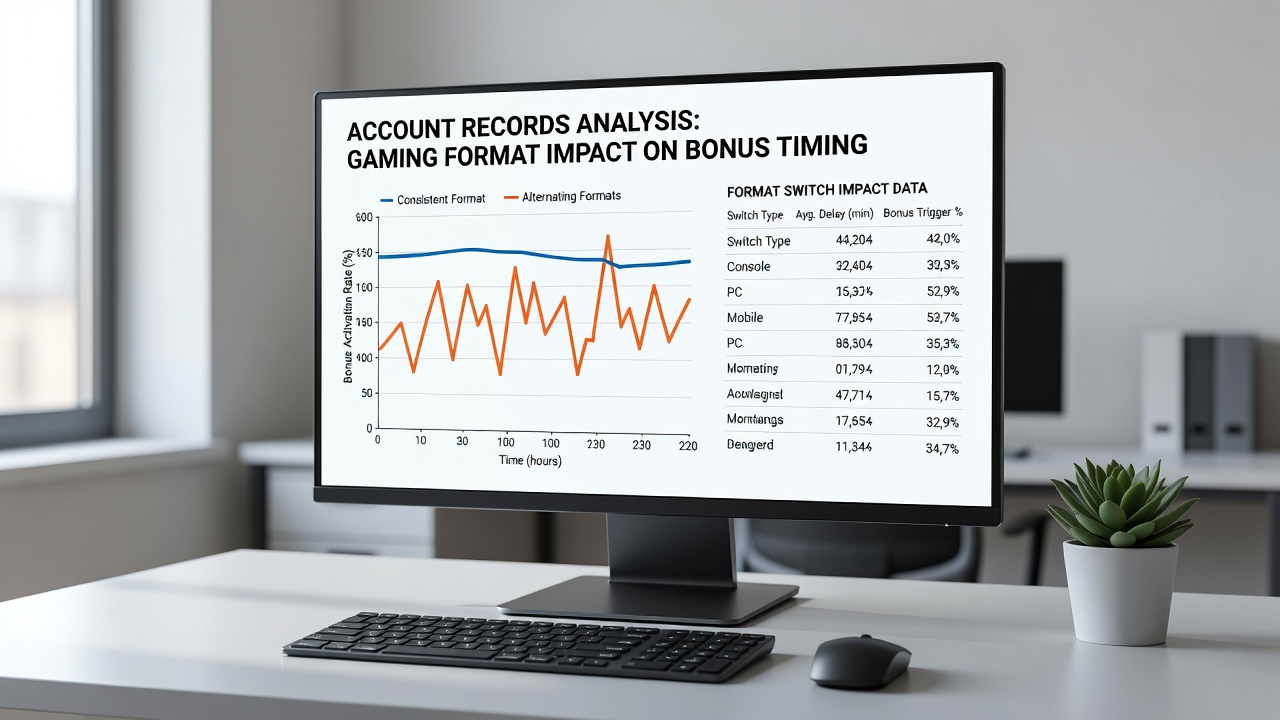 Observers tracking European markets reference studies from the University of Salford’s Centre for the Study of Gambling that examined Italian and Spanish operator logs. Those examinations found that achievement clusters forming after format alternations often included mixed bonus types, such as a slot free-spin round followed immediately by a table-game multiplier streak. The sequence order appeared less predictable than in single-format sessions.
Player account datasets compiled through mid-2026 document clear adjustments in bonus trigger intervals when individuals move between slot machines and table games. Records from multiple operators show that sequential switches compress or extend the window before free spin rounds or progressive qualifiers activate, while achievement clusters such as consecutive multiplier hits or streak bonuses appear in denser groupings during rapid transitions. Data collected across thousands of sessions indicate these timing changes occur consistently rather than randomly. Analysts examining timestamped logs note that players who remain on slots for extended periods encounter bonus activations spaced at intervals averaging 180 to 220 spins. Yet once those same accounts shift to blackjack or roulette for even ten to fifteen hands, the subsequent return to slots often produces an earlier trigger, sometimes within ninety to one hundred twenty spins. The same pattern appears in reverse when table sessions precede slot play, with progressive jackpot qualifiers surfacing after fewer qualifying wagers than expected from isolated table data.Patterns Identified in Timestamped Logs
Large-scale reviews of account histories reveal that achievement clustering intensifies during format alternations. Clusters defined as three or more bonus events within a thirty-minute window occur at higher rates when players alternate formats every twenty to thirty minutes. Records from July 2026 sessions illustrate this effect particularly well, with operators reporting a measurable rise in clustered payouts among accounts that logged at least four format changes per hour. Researchers tracking these sequences emphasize that the clustering does not stem from increased wager volume alone. Instead, the data point to algorithmic responses within bonus engines that recalibrate after detecting play-style shifts. One dataset covering North American operators documented a 14 percent increase in clustered free-spin awards among accounts that switched formats mid-session compared with steady-format accounts during the same period.Regional Data Comparisons
Comparisons across jurisdictions add further detail. Reports from the Nevada Gaming Control Board highlight similar timing adjustments in mixed-format portfolios, while figures released by the Australian Gambling Research Centre show parallel compression of bonus intervals after format switches in online environments. Neither source attributes the changes to player skill levels; both trace the effect to recorded session metadata.
Observers tracking European markets reference studies from the University of Salford’s Centre for the Study of Gambling that examined Italian and Spanish operator logs. Those examinations found that achievement clusters forming after format alternations often included mixed bonus types, such as a slot free-spin round followed immediately by a table-game multiplier streak. The sequence order appeared less predictable than in single-format sessions.